


Solar & battery buying advice

Know what’s worth buying.

Start with your postcode and bill. Explore a battery size range, then ask an installer to confirm suitability and price.

See an indicative battery range as you type. Calculations stay in your browser; typical state rates and usage assumptions apply.

Have solar? Add a batteryFederal battery discountFull assessmentKnow what you want? Request a quote

Solar

See what your roof could generate.

The right array depends on your roof, your usage and what you already pay for power.

Battery

Understand what’s worth storing.

Explore how a battery fits your home’s energy use.

Together

See how the pieces work together.

Daytime solar, evening storage and your electricity plan, compared on the same assumptions.

Compare

Know whether the extra spend adds up.

Compare keeping your setup with smaller and larger upgrades before you ask for quotes.

Check my options Explore the example
Skip demonstration
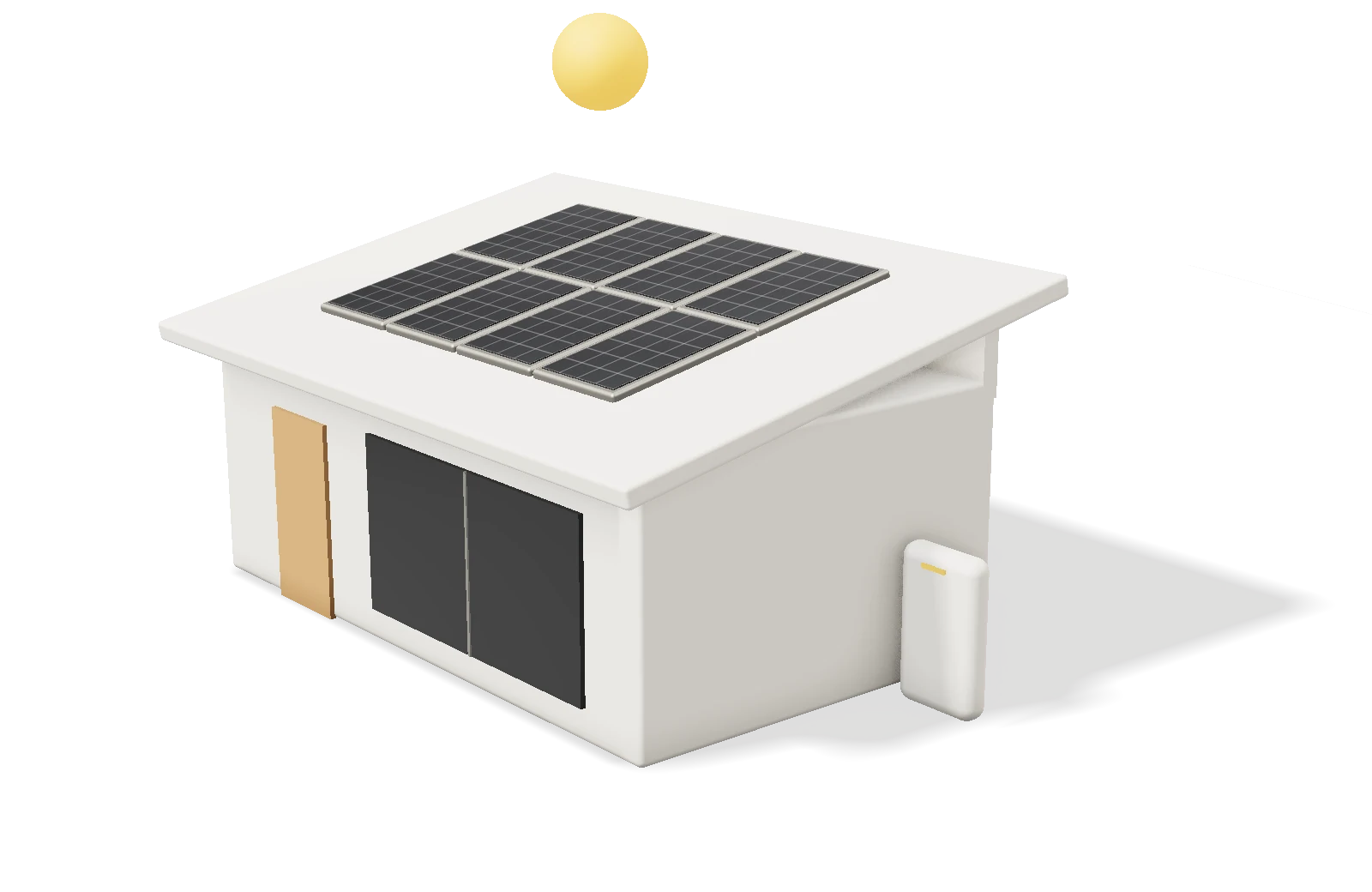
Illustration of an Australian home with rooftop solar panels and a wall-mounted batteryIllustration of a single-storey Australian home with a charcoal metal roof
Illustrative example
Solar optionsCompare system sizes
Battery optionsCompare cost and benefit
Illustrative exampleSynthetic inputs, not a quote or advice
  • Keep current setup

    Solar only · comparison baseline

    Extra cost
    N/A
    Extra yearly benefit
    N/A

    Baseline

  • Add a smaller battery

    10 kWh usable

    Extra cost
    $7,500
    Extra yearly benefit
    $1,210

    Payback 6.2 years

  • Add a larger battery

    20 kWh usable

    Extra cost
    $12,500
    Extra yearly benefit
    $1,300

    Payback 9.6 years

In this example the larger battery costs $5,000 more for $90 more a year.

Solar

The right array depends on your roof, your usage and what you already pay for power.

Battery

Explore how a battery fits your home’s energy use.

Together

Daytime solar, evening storage and your electricity plan, compared on the same assumptions.

Good energy starts with a clear decision.

Your home. Your numbers. Your choice.
How it works

Start with what you know.

Start with a few figures from your bill. Add what you know and refine the details as you go.

  1. 1

    Add your bill or usage.

    Choose a PDF bill or copy a few figures from one. It’s read in your browser and never uploaded.

  2. 2

    Tell us what matters.

    Tell us about your budget, savings goals and backup needs. It’s fine if you’re not sure yet.

  3. 3

    Compare your options.

    See what each upgrade could save, what it’s worth paying for, and what still needs checking.

Across Australia

Solar pays for itself in every capital city.

For a typical home on each state’s published electricity rates and installed prices, 6.6 kW of solar pays back in about 4–10 years. Batteries are closer to the line, so it pays to size them carefully.

Example home using 5,000 kWh a year. Sources: Australian Government solar output figures, Solar Choice price index (October 2026) and each state’s published rates. Your result depends on your own bill and roof. Check yours.

Worked example

A bigger battery isn’t automatically a better buy.

What matters is what each extra kilowatt-hour adds compared with what it costs. Switch between sizes and payback targets to see how the answer changes.

Personalise this with your home
Battery size
Your payback target
Illustrative examplesmaller battery vs no battery

This step fits a 10-year target.

Extra upfront cost$7,500
Extra spend your target supports$12,100
Extra yearly benefit
$1,210
Payback on this step
6.2 years
Price limit for whole battery
$12,100
Whole-battery payback
6.2 years
Example assumptions
  • Net installed prices of $7,500 (10 kWh) and $12,500 (20 kWh) are invented for this demonstration, not market prices.
  • Yearly benefits of $1,210 and $1,300 come from our model for an invented Perth household with 6.6 kW of solar and a time-of-use plan. They are held constant here; real benefits change with tariffs, usage and battery wear.
  • Price limit = yearly benefit × target years (simple payback, no discounting).
  • Both batteries are compared against the same solar system and electricity plan.

Our approach

See the facts and assumptions behind your estimate.

Every result shows where each figure came from. One bill supports a preliminary answer; detailed usage data from your meter will make it sharper.

  • Results compare against a genuine “buy nothing” baseline.
  • Battery value is shown separately from solar value.
  • Price limits are tied to your target, not a sales figure.

Preliminary assessment

Based on one bill and assumed usage timing

Sample
  • Billing period and usageRead from your billFrom your bill
  • Import and feed-in ratesConfirmed by youConfirmed
  • When you use powerTypical evening-heavy patternAssumed
  • Roof direction and shadeNot yet providedCheck needed
Add detailed usage data to refine timing

When you’re ready

Ask for quotes when you’re ready.

Your assessment becomes a clear brief for installers, so quotes are easier to compare. You choose who receives it and see exactly what they get. Introductions are opening through a small pilot.

Start with your battery size

Your installer brief

  • Household goalsLower bills, stay under budget
  • Battery range to quote8–12 kWh usable
  • Your price limitPrivate unless you share it
  • Original billNever attached

How Solvetted is funded. Solvetted may receive a fee when you ask us to introduce you to an installer. That fee does not change how your equipment options are assessed.

Guides

Useful before you buy.

Australian guides to the decisions that matter most, with official sources you can check.

  • Battery sizing

    How big a battery does your home actually use?

    Find the point where extra battery capacity stops being worth the cost.

    Read the Australian guide
  • Solar only

    When solar without a battery is the better first step

    How daytime usage, feed-in rates and upfront cost decide whether to stop at panels.

    Read the Australian guide
  • Existing solar

    Adding a battery to the solar you already have

    What to check about your inverter, exports and usage before you ask for a retrofit quote.

    Read the Australian guide

Questions

Good questions to ask first.

What can a single electricity bill show?

A bill shows how much power you imported and exported over one period and what you paid for it. It can support a preliminary estimate, but it can’t show exactly when during the day you use power. We label anything we’ve assumed, and you can add more detailed usage data to refine it.

Do I need an account?

No. You can see your options without an account. Saving assessments is planned; for now you can print or save your results as a PDF.

Can I upload my electricity bill?

Yes, in the full assessment you can choose a PDF bill. It’s read in your browser, you check the figures it finds before they’re used, and the bill is never uploaded or saved. You can also type the figures in.

Will installers contact me?

Only if you ask. Installer introductions are starting with a small pilot. Before anything is sent you will see each named installer and exactly what they will receive, and your bill is never attached.

What if solar or a battery doesn’t look worthwhile?

Then we’ll say so. You may be better off keeping your current setup, changing plans or waiting for a better price. You won’t be pushed into a quote request.

How is Solvetted free?

Solvetted may receive a fee when you ask us to introduce you to an installer. That fee doesn’t change how your equipment options are assessed.

Find out what makes sense for your home.

Find my battery size

30 seconds, no account. Installer contact only if you ask.